“To me, a good outfit is one I don’t have to think about too much,” says Laura Tully, a personal wardrobe stylist who lives in Boise, Idaho, with her husband and three kids.… Read more
I can attest to this because we went biking on the Swamp Rabbit Trail this weekend and my sneezes started to kick up. I could also feel a little congestion in my ears that reminded me that with the gorgeous sunshine and warm weather comes blooming trees, flowers, and grasses.
But you know who wasn’t sneezing? And even more importantly so, who didn’t have itchy eyes? H! Halleluiah.
I’ve shared our history with seasonal allergies before but for the sake of ease, I’ll share the brief version again.
I’ve had seasonal allergies for years. Anyone been around long enough to remember when I used those super attractive nose filter stickers while pregnant? I would do all the regular recommendations- showers at night, saline nasal rinse, medicine when needed, etc, and just tough it out for the most part.
Then a few years ago H started getting bad spring allergies- so bad that her poor eyes were itchy, red, and swollen. I remember her having to lie on the couch with a cold rag across her face and it just broke my heart. So I went it search of help at the local allergist office.
After all the testing, allergy shots were recommended, so we in a show of solidarity, I decided to get them, too. We went multiple times a week while our immunity build up and slowly tapered off and… they worked like a charm!! We were so thrilled that we didn’t need any allergy medication and we felt great when everything went into bloom.
Fast forward to our move. We joined a new allergy clinic and they had to mix new serums for us. We had to build up again but we did it, driving 45 minutes one way to get the shots. We did this for months, only to realize that the new blend wasn’t working for either one of us. Between the drive, the cost (no longer covered by insurance), and the lack of efficacy, we stopped.
Instead I reached out to a naturopath for H. We had a virtual appointment and followed up a few days later with her recommended plan. I sent it to a few naturally minded friends to get their thoughts and found out it was very similar to what they had found success with for seasonal allergy suffering as well.
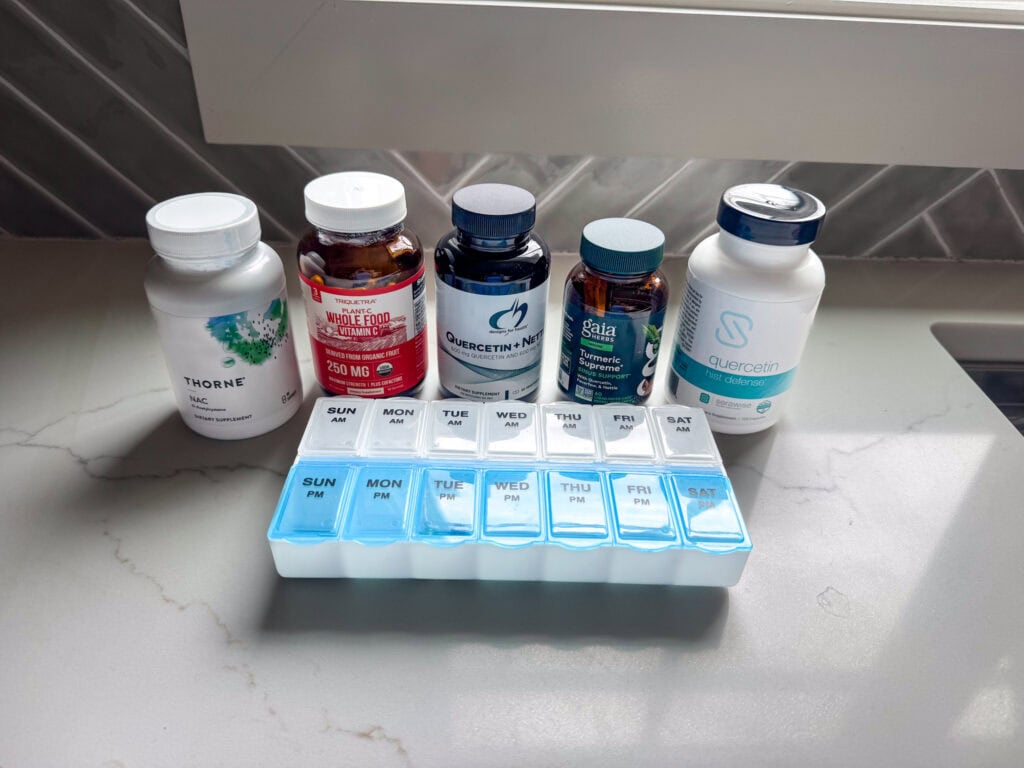
With an optimistic mindset, I filled an AM/PM organizer with her supplements and had her start taking them.
Seasonal Allergy Supplements that Work
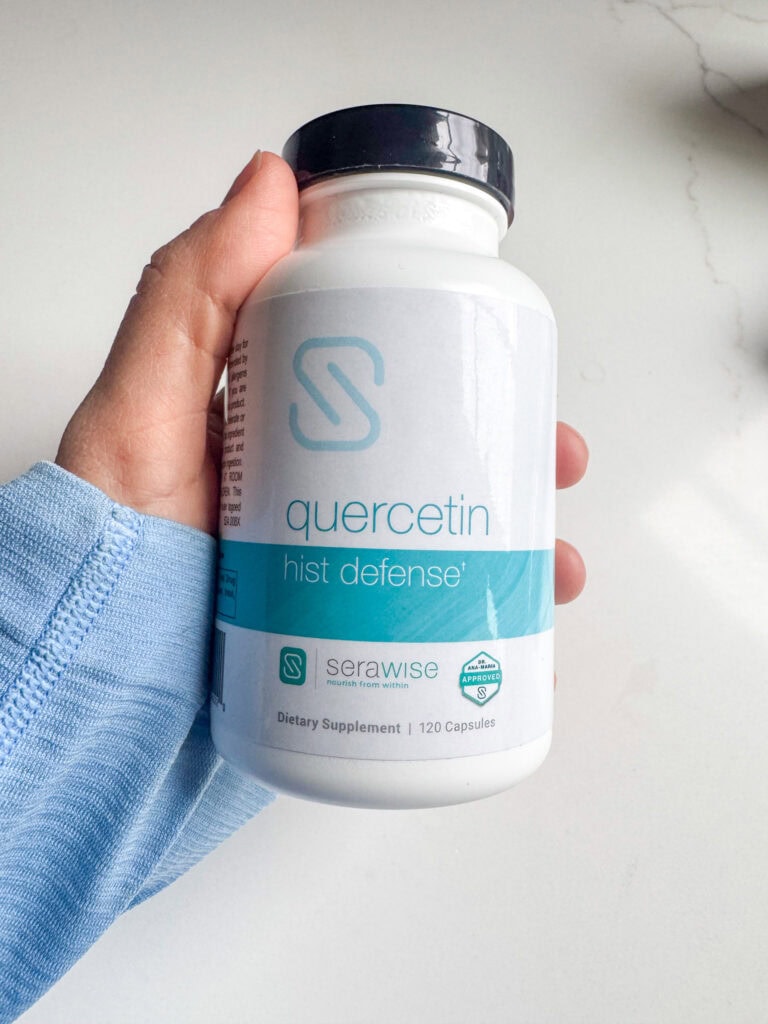
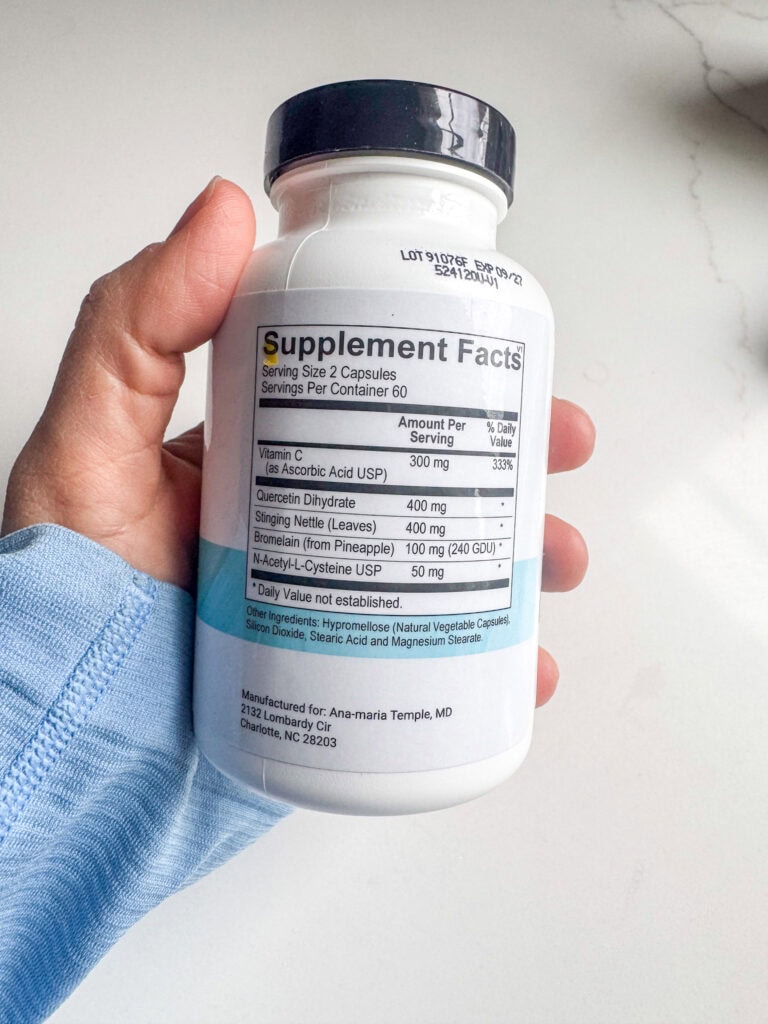
Quercetin + Nettles: 1 capsule twice a day – morning and evening- may increase to 2 capsules twice a day if needed for further antihistamine help
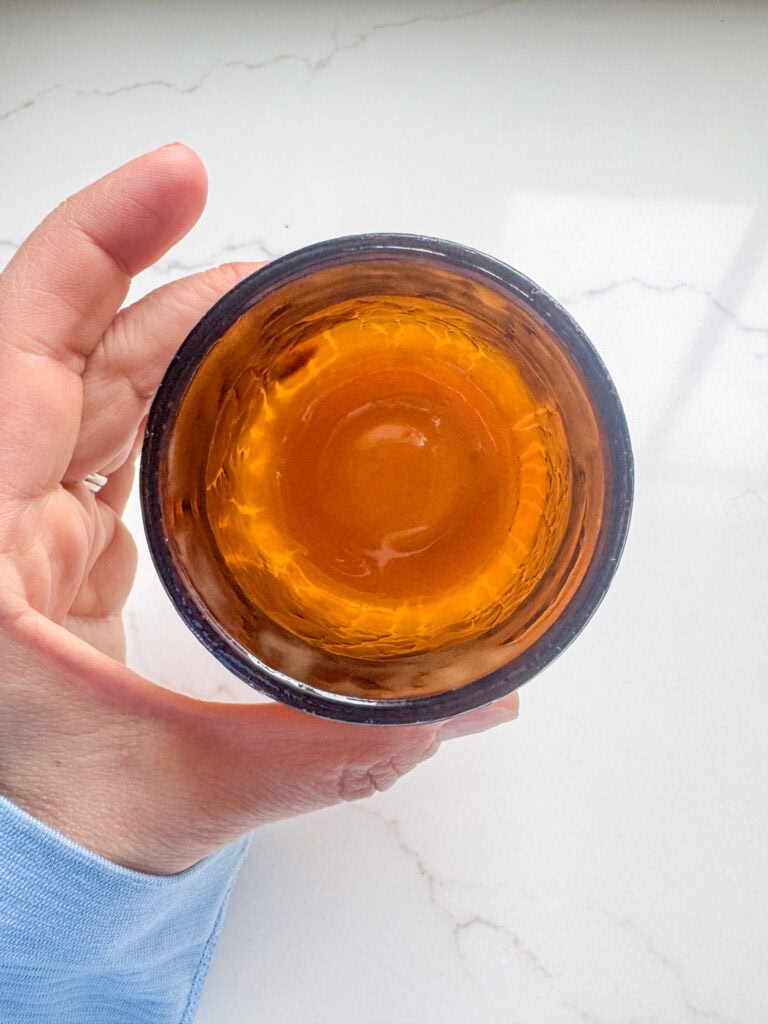
Vitamin C: about 250mg once in the morning – break open the capsule and empty half of the contents into a spoonful of applesauce (will probably taste a little tart)- may try increasing to a full capsule, reducing the amount if loose stool occurs
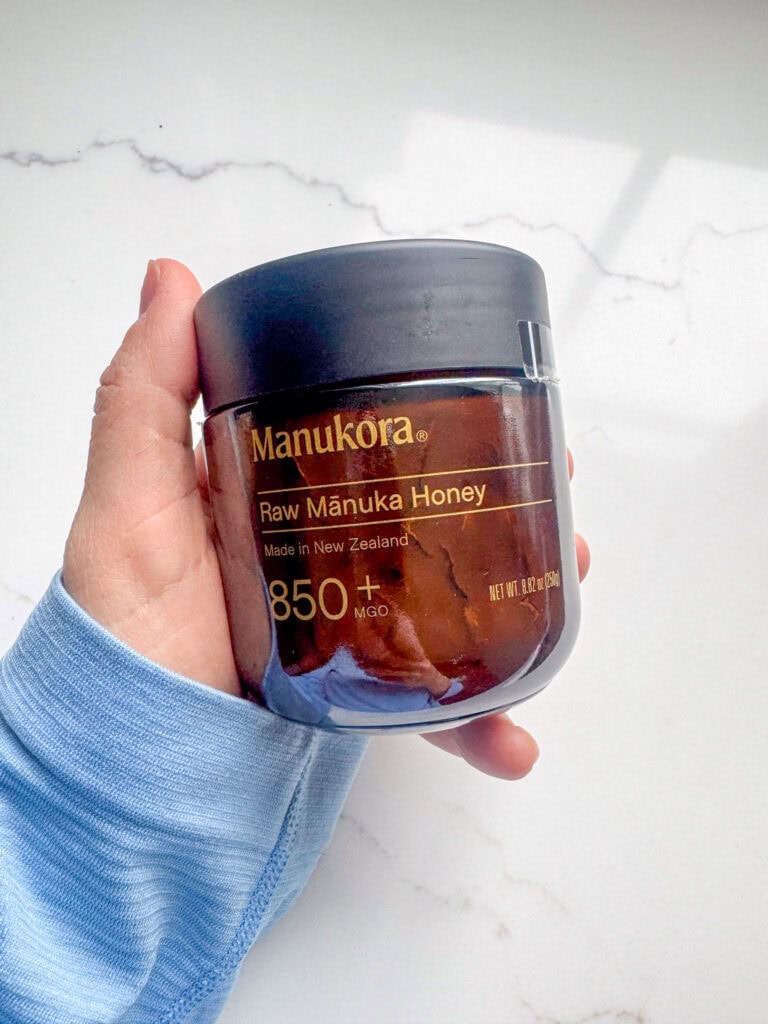
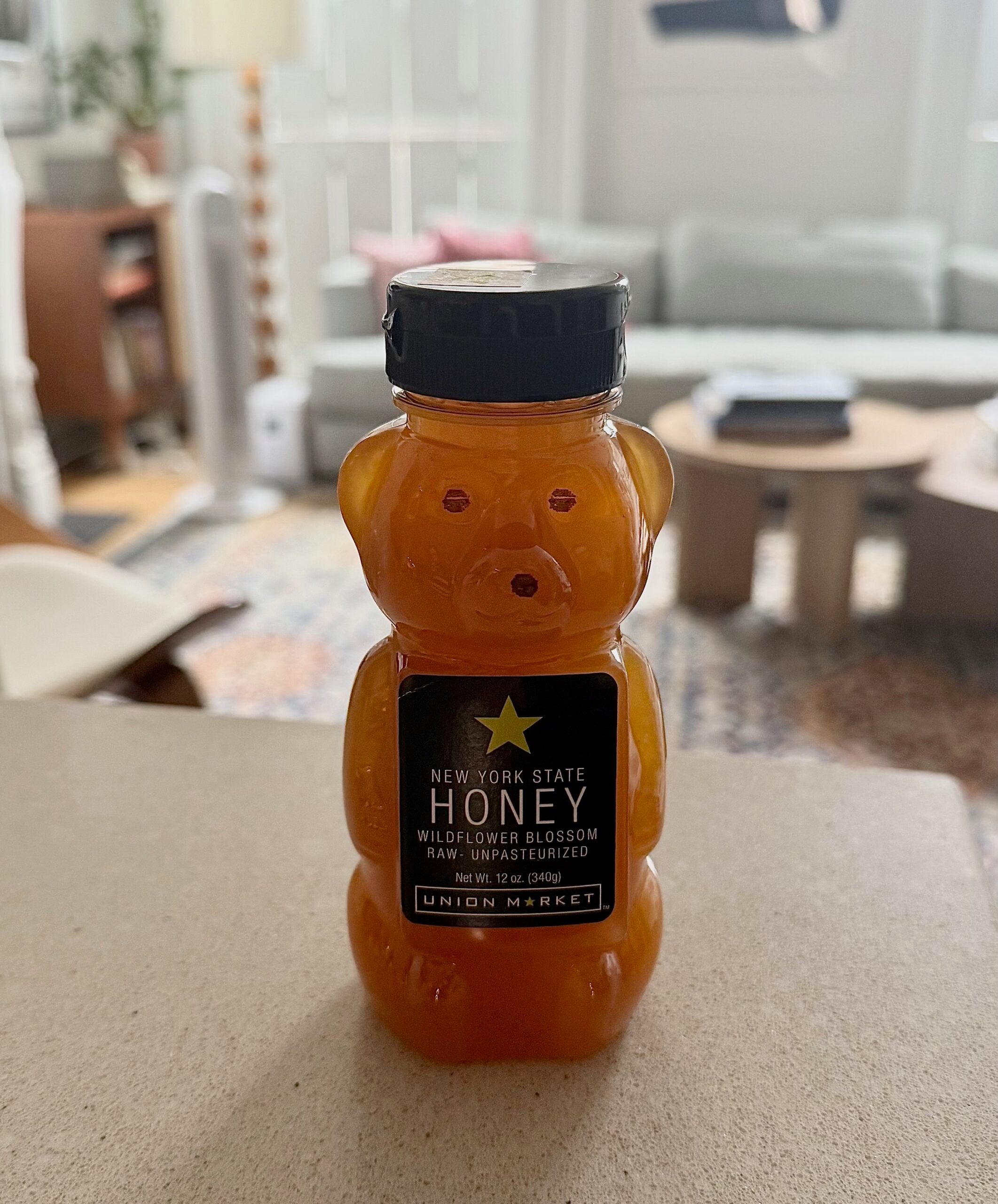
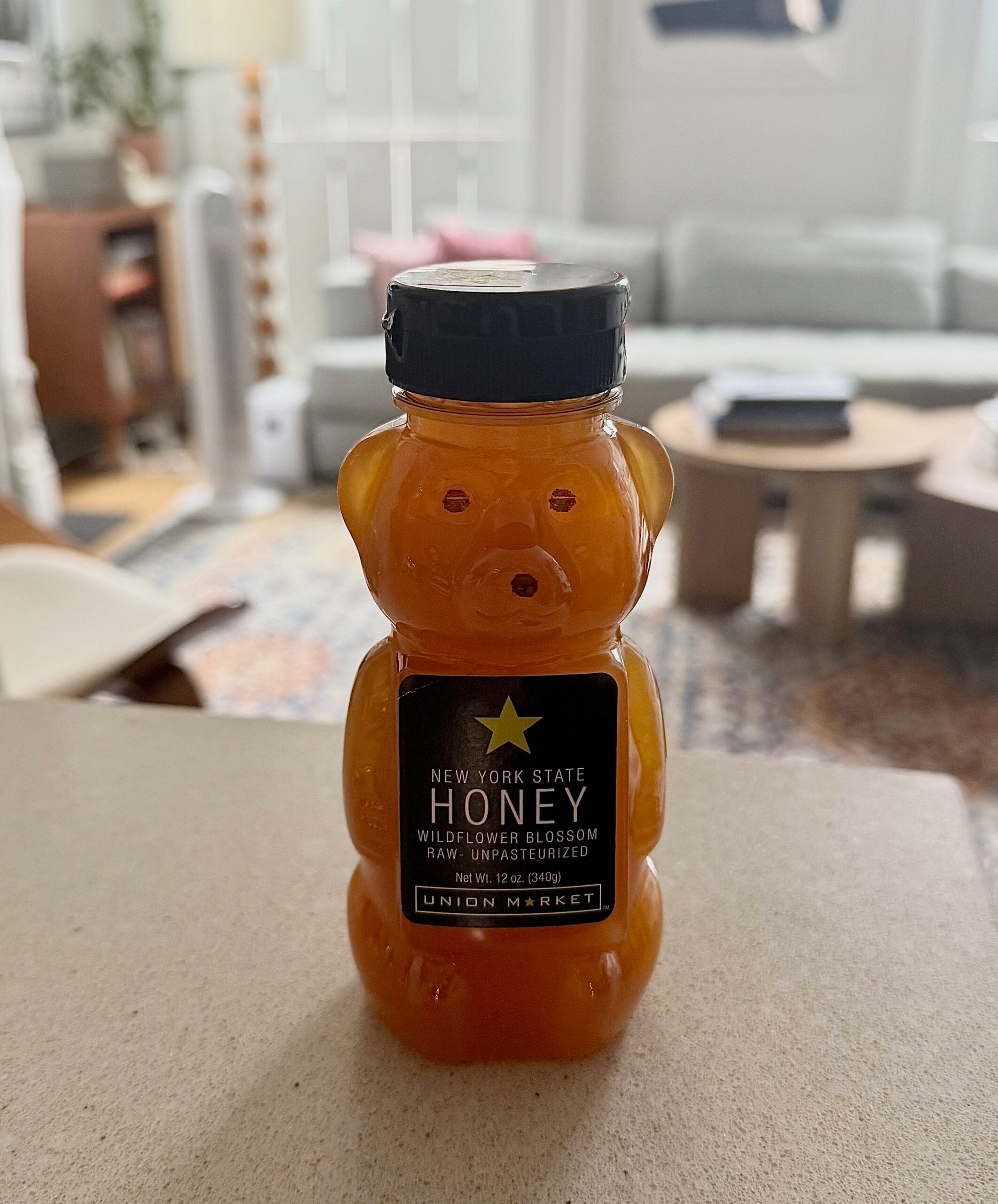
Manuka Honey: 1/2 – 1 tsp twice a day – take at least 250 MGO in summer and at least 550 MGO in winter. (Use code AHS for 10 free travel sticks with order!)
For the Spring, Turmeric Supreme Sinus Support: 1 capsule twice a day – can increase to 1 capsule three times a day (or 2 capsules twice a day) – continue the Quercetin + Nettles as well
*NAC: 1 capsule twice a day with food – on an as needed bases for congestion, mucus, phlegm, or fluid in the ear
David and I have been taking this blend (use code AHS for a discount!) that I had on hand and I really like it because it combines the vitamin C, quercetin, and stinging nettle. My allergies usually come a bit later, like in May, so I’ll keep this up but switch to H’s full line up if I find myself struggling.
Finally, I’m still going strong with my nasal saline mist and recommend the girls do the same. I swear it helped me stay well during germ season and flushing out any allergens/irritants before bed at night can only be helpful during allergy season, too.
I’m no doctor so I’m not prescribing in anyway, but just sharing the line up we’ve had success with in case you’ve been fighting the good fight with the blooming trees and grasses, too! Do you struggle with allergies? What do you find helps you this most?
When your hair feels dry, dull, or damaged, a good hair mask can make a bigger difference than almost any other product in your routine. A great formula doesn’t just temporarily smooth your hair; it restores moisture and helps strengthen strands over time.
Over the years, I’ve tested tons of different hair masks in search of one that delivers on hydration, shine, texture repair, and overall hair health. Some were decent, some didn’t work for my hair at all, and a few stood out as real favorites.
In this post, I’m sharing the best hair masks I’ve tried for dry, damaged hair, including the one I consider the best of all time.
Before we get into the best hair masks, it helps to understand my hair type because what works for one person doesn’t always work for another.
My hair is fine in texture but fairly dense, which means it can get weighed down easily if a product is too heavy. At the same time, it’s also prone to dryness and breakage, especially toward the ends. Because I heat-style my hair regularly, hydration and strengthening are both important for keeping it healthy, which is a big reason for my full hair care routine.
Over the years, I’ve dealt with things like dry ends, dullness, and occasional breakage. So when I’m testing a hair mask, I’m looking for something that restores moisture and shine without leaving my hair flat.
In general, my hair responds best to formulas that are:
Hydrating but lightweight
Strengthening without being protein-heavy
Smoothing and shine-boosting
Anything overly rich or oily tends to weigh my hair down, which made finding the right hair mask a bit of a process.
The Hunt for the Best Hair Mask
If you’ve ever searched for the best hair mask for dry, damaged hair, you know there are a lot of options.
Some formulas focus on hydration. Others prioritize bond repair or scalp health. And some masks are designed specifically for curls or thicker hair types.
Over the years, I’ve tested a lot of different deep conditioners and masks, from luxury salon formulas to viral internet favorites. So, when I’m evaluating a hair mask, a few things matter most:
First, hydration. A good mask should noticeably soften the hair and improve moisture levels without making it greasy.
Second, strength and elasticity. Ingredients like keratin, collagen, and other proteins can help reinforce the hair structure and prevent breakage.
And finally, the way my hair looks and feels after styling. The best masks leave my hair smoother, shinier, softer, and easier to manage after I blow-dry it.
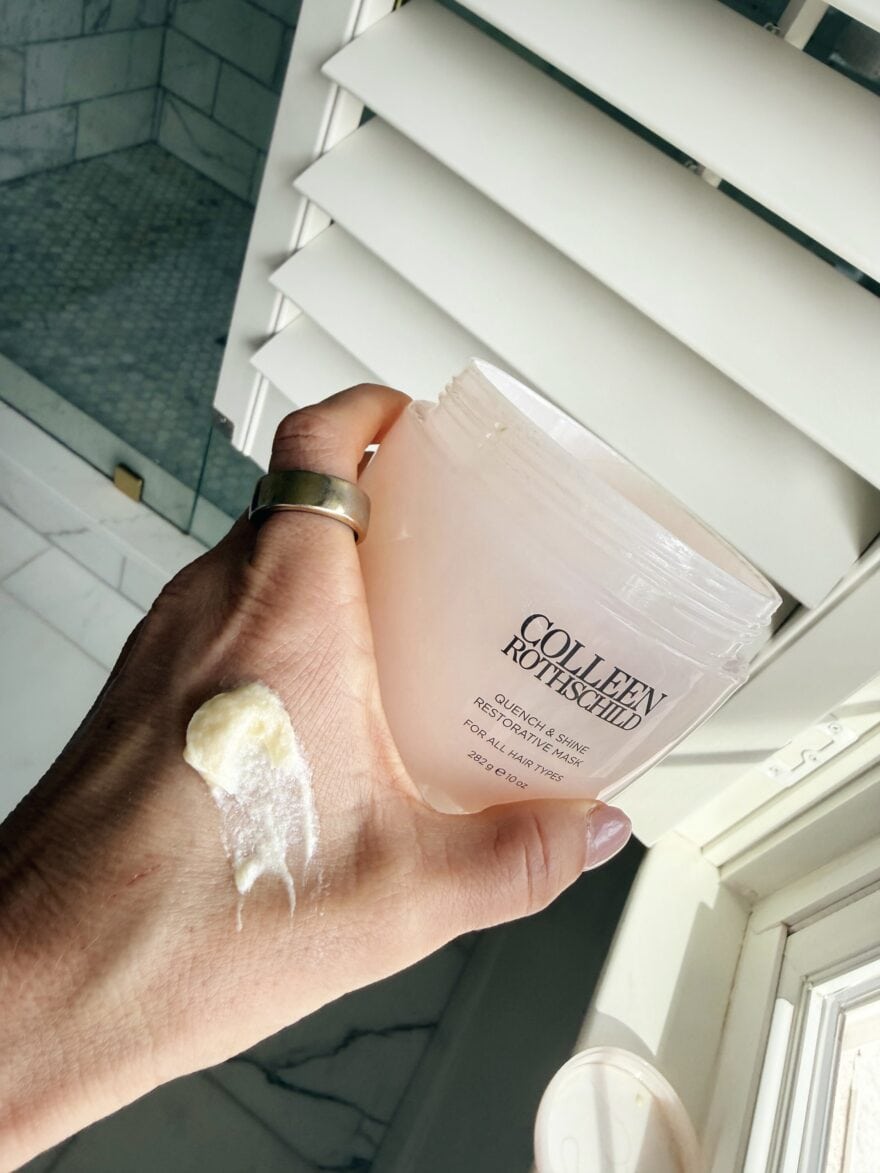
After trying so many options, one mask continues to stand out above the rest.
The formula manages to be deeply hydrating while still feeling lightweight, which is exactly what fine hair needs.
Why It Works So Well
This hair mask is packed with nourishing ingredients like argan oil and hyaluronic acid, which help restore moisture and improve the overall texture of the hair. Instead of sitting heavily on the hair, it actually absorbs well and helps support texture and elasticity, and reduces frizz and flyaways.
Every time I use it, my hair feels noticeably healthier. My ends look smoother, and my hair feels softer. Not to mention, it styles much more easily afterward.
It’s one of the few masks that gives my hair that smooth, glossy look without weighing it down.
Texture & Scent
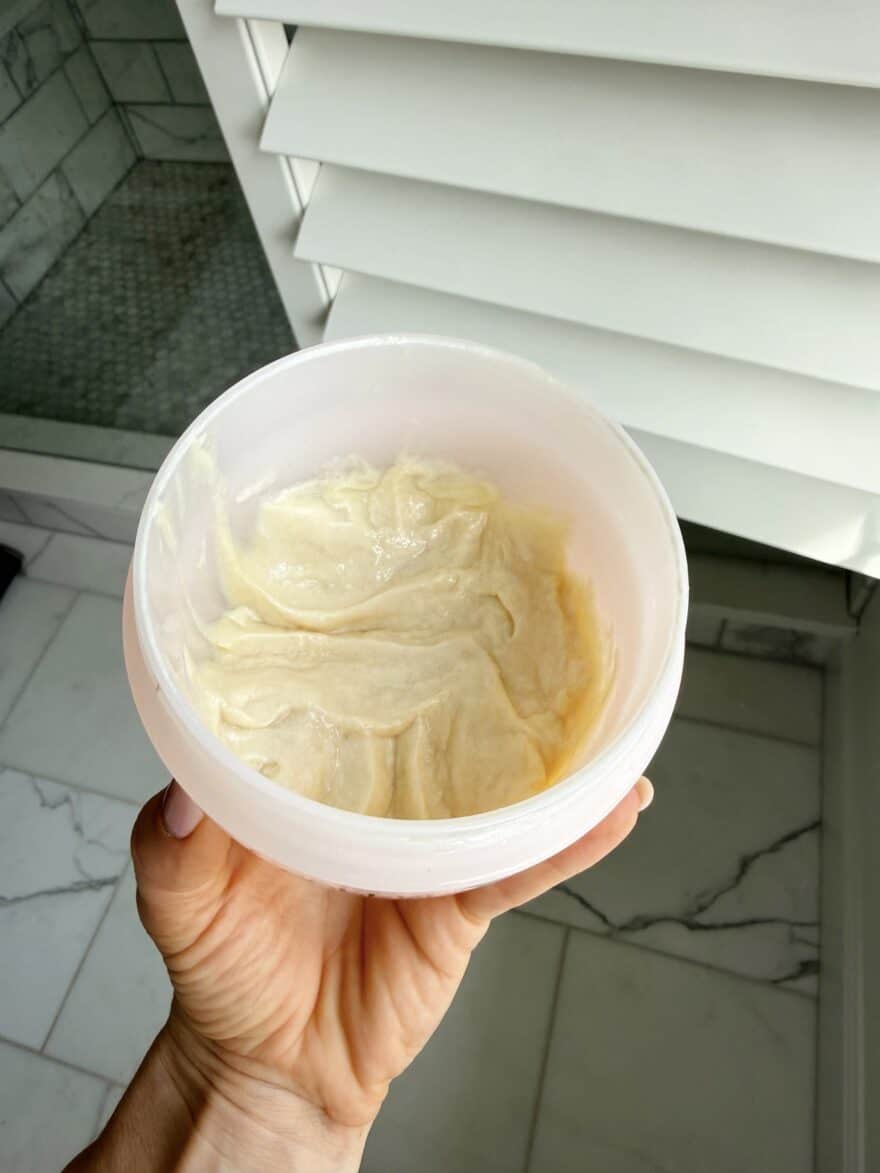
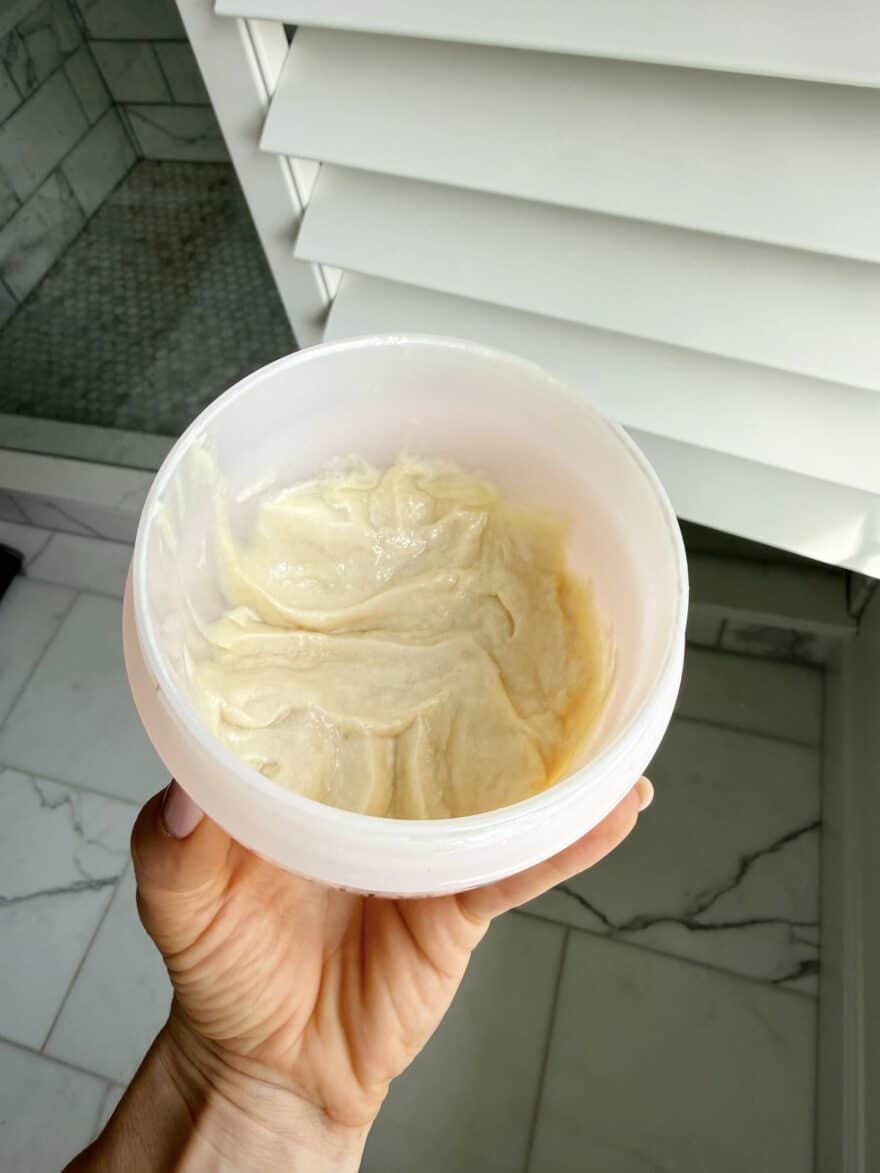
The texture is creamy but not overly thick, which makes it easy to distribute through wet hair in the shower.
It rinses clean without leaving residue, and the scent is soft and fresh without being overpowering. I find it to have a warm, sweet aroma that’s soft and very pleasant (I don’t like anything that smells too strong).
How I Use It
I typically use this mask once or twice a week in place of conditioner.
After shampooing, I apply it from mid-lengths to ends and leave it on for about 5–10 minutes while I finish the rest of my shower.
Once my hair is blow-dried, the difference is immediately noticeable. Smoother texture, more shine, no frizz, no flyaways, and hair that just feels healthier overall.
If your hair is dry, damaged, or lacking shine, this is the one you need to try.
Honorable Mention Hair Masks
While the Colleen Rothschild mask is my top pick, there are a few other hair masks that are worth mentioning, depending on your hair’s specific needs.
K18 Leave-In Molecular Repair Hair Mask
If your hair has experienced serious damage from bleaching, coloring, or heat styling, the K18 Leave-In Molecular Repair Hair Mask is a really impressive treatment.
Unlike a traditional deep conditioner, this mask focuses on repairing keratin bonds within the hair structure. It’s technically a leave-in treatment rather than a rinse-out mask, and a little goes a long way.
It’s not primarily a hydration mask, but it can dramatically improve strength and elasticity in damaged hair.
JavaScript is currently disabled in this browser. Reactivate it to view this content.
The formula is rich in argan oil and deeply conditions dry strands, leaving hair soft and silky. I tend to reach for this type of mask more in the winter when my hair feels especially dehydrated.
Because it’s slightly richer, it tends to work best for medium to thicker hair types.
JavaScript is currently disabled in this browser. Reactivate it to view this content.
It helps strengthen hair that has been damaged by coloring or heat styling while also improving softness and shine. If your hair needs both moisture and structural repair, this is a solid option.
JavaScript is currently disabled in this browser. Reactivate it to view this content.
Hair Masks That Didn’t Make the Cut
Not every hair mask works for every hair type, and there were a few I tested that simply didn’t work well for my hair.
Briogeo Don’t Despair, Repair! Deep Conditioning Mask
The Briogeo Deep Conditioning Mask is very popular, but it didn’t leave my hair feeling as smooth or shiny as I expected. While the formula contains nourishing ingredients, my hair still felt a little dry afterward, so it wasn’t the right one for me.
Christophe Robin Regenerating Mask with Prickly Pear Oil
This is a beautiful, luxurious mask from Christophe Robin, but the fragrance was stronger than I prefer in hair products. The formula itself is hydrating, but scent plays a big role in whether I’ll continue using something regularly since I’m extremely sensitive to scents.
Davines NOUNOU Hair Mask
Davines NOUNOU Hair Mask is very rich and nourishing, but unfortunately, it was too heavy for my fine hair. Instead of feeling soft and bouncy, my hair felt weighed down after using it. For thicker or coarser hair types, this might work beautifully, but it wasn’t the right match for my hair texture.
Final Thoughts
A good hair mask can make a huge difference if your hair feels dry, brittle, or damaged. The right formula can restore moisture, improve elasticity, and help prevent breakage over time.
After testing countless options, the Colleen Rothschild Quench & Shine Restorative Mask is still the one I reach for again and again. It gives my hair exactly what it needs in hydration, softness, shine, and even overall hair health without ever weighing it down.
If you’re searching for the best hair mask for dry, damaged hair, this is the one I hands down recommend starting with.
There’s a specific kind of silence that settles over a house once the kids are finally in school or the morning chaos has subsided. For years, that silence might’ve been your cue to start the laundry or finally drink a lukewarm cup of coffee. But lately, that silence feels different. It feels like an opening. Honestly, it’s a little bit terrifying, isn’t it?
If you’re reading this, you’re likely standing at the edge of a major transition. You’ve spent years managing a household, navigating developmental milestones, and becoming a master of crisis management. Now, you’re ready to bring those skills back into a professional setting.
The workforce in 2026 looks different from when you may have stepped away. Flexibility isn’t a luxury anymore, and the soft skills you’ve sharpened at home are more valuable than ever. This isn’t just about updating a document — it’s about reclaiming a piece of your identity.
Finding Your Bearings
Before you start applying to every opening on your feed, take a moment to breathe. Re-entry is a marathon, not a sprint. Start by auditing your current life:
How many hours can you realistically commit?
Do you need fully remote, or are you craving office interaction?
What are your non-negotiables around schedule and flexibility?
In 2026, the hybrid model has become the standard for most industries — giving you more leverage than ever to find a balance that actually works for your family. Understanding your boundaries early prevents burnout three months into a new role. Trust me, I’ve seen it happen.
Translating the Gap
One of the biggest hurdles moms face is the perceived “gap” on their resume. It’s time to stop viewing those years as a void. You weren’t “off.” You were operating in a high-stakes environment — coordinating logistics, managing budgets, navigating complex schedules. That’s project management. That’s operations. That’s the stuff that keeps companies running.
When you sit down to build your profile, use a free resume builder to structure your experience without the stress of formatting from scratch. Many modern platforms offer templates designed specifically for career changers and re-entry candidates — they take the blank page problem off your plate entirely.
“Those years weren’t a gap. They were a masterclass in logistics, crisis management, and getting things done under pressure.”
Upskilling Without the Overwhelm
You don’t need a new degree to be relevant. You need targeted, efficient upskilling. Technology moves fast, but micro-credentialing makes it manageable — short, focused courses you can complete during nap times, after bedtime, or whenever you carve out 30 minutes.
Where to Start
Project management tools: Asana, Monday, Notion — employers use them daily
AI-assisted workflows: Basic prompting skills are now a workplace expectation
Industry refreshers: Most fields have short, focused catch-up courses online
Certifications: Coursera, LinkedIn Learning, or Google Career Certificates
Even a single recent certification on your profile signals that you’re proactive and ready for the modern workplace. You’ve still got it — now you just have receipts.
Networking in a New Era
Large job boards can feel like shouting into a void. The better move? Your existing circle. Reach out to former colleagues, friends, and even other school parents. Many opportunities never make it to a public listing.
When you do reach out, be specific — “I’m looking to get back into marketing coordination” is far more actionable than “I’m open to anything.” It makes it much easier for people to help you when they know exactly what you’re looking for. The U.S. Department of Labor’s Women’s Bureau also offers research and resources specifically focused on women in the workforce — worth a bookmark as you map out your path.
Managing the Logistics and the Guilt
Let’s talk about the elephant in the room. Going back to work often comes with a side of mom guilt — worry about sick-day coverage, missed moments, and feeling like you’re leaving part of yourself behind. Practical preparation is the best antidote:
Dry run week: Practice the commute and morning routine before your actual start date
Childcare backup: Secure your primary plan early and always have a plan B
There will be days when the house is messy and dinner is cereal. That’s okay. You’re modeling resilience and ambition for your children, and that’s a gift in itself. They see you trying. They see you growing.
Your Value Is Non-Negotiable
Employers in 2026 are actively looking for stability, emotional intelligence, and the ability to multitask under pressure. Moms have all three in spades. You aren’t “behind.” You’re arriving with a refreshed perspective and life experience no entry-level candidate can match.
If self-doubt creeps in, spend some time learning to love yourself again — confidence isn’t just a career asset, it’s the foundation everything else is built on.
“You aren’t starting over. You’re starting from experience — and that changes everything.”
Take it one step at a time. Update that resume, send that first email, and trust that your professional journey is just beginning its next exciting chapter. You’re ready.
Hello beautiful people! How are you? I’ve missed you all so much. I’ve spent the past six months on mat leave snuggling with the newest member of our family, Evelynn.… Read more
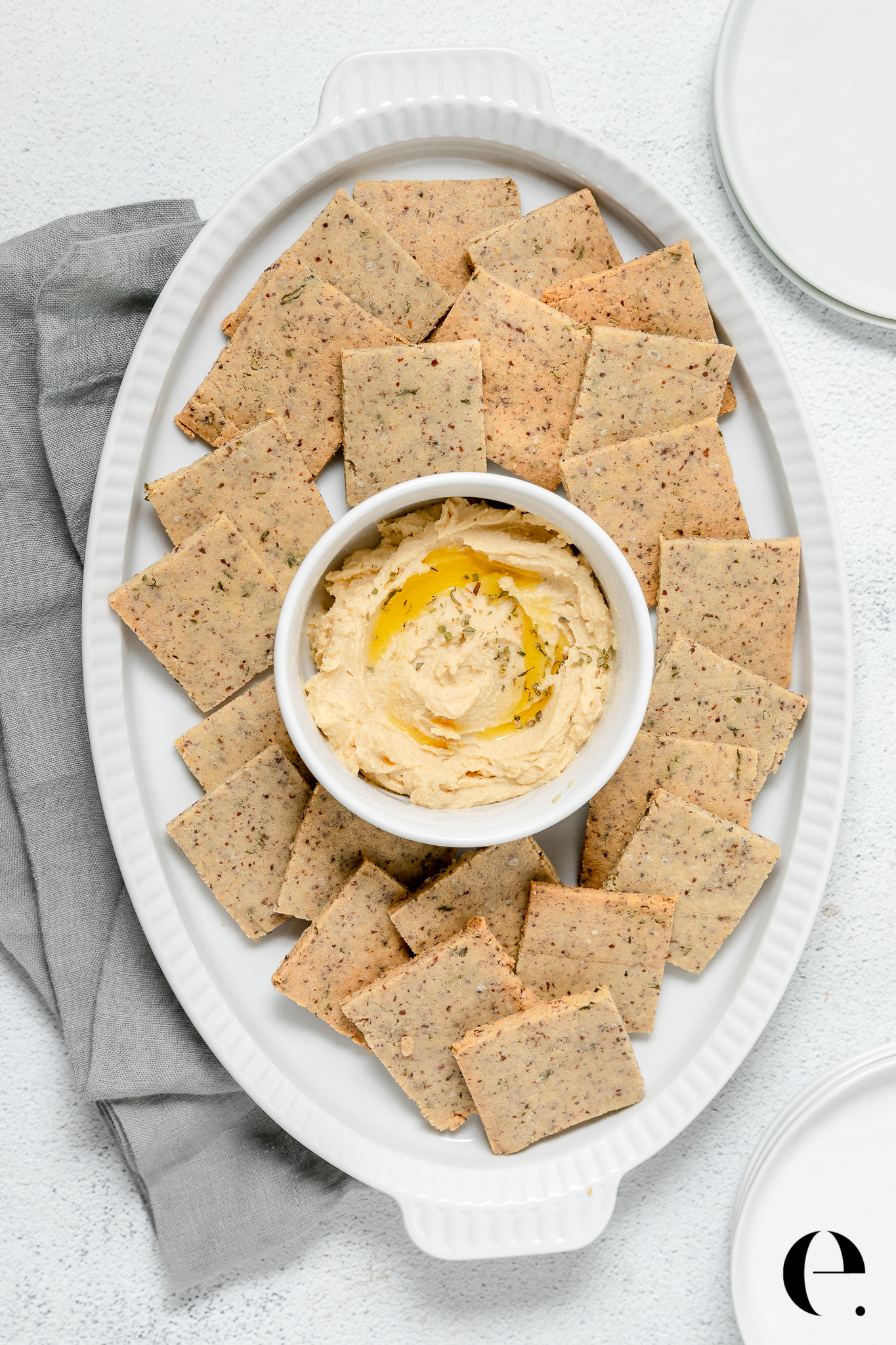
If you’re looking for an easy gluten-free cracker recipe, these almond flour crackers with rosemary and thyme are one of my all-time favorites.
They’re crisp, flavorful, and surprisingly simple to make with just a handful of ingredients. I often make a batch for an appetizer for girls’ night or a casual snack plate, and they’re always one of the first things to disappear.
These homemade almond flour crackers are especially great for anyone following a gluten-free diet, since almond flour is naturally gluten-free. They pair beautifully with goat cheese dip, feta dip, olive tapenade, hummus, or simply on their own when you’re craving something crunchy.
And if you’ve never made crackers at home before, you might be surprised how easy it is. The dough comes together quickly and the whole recipe takes about 25 minutes from start to finish.
Gluten-Free Almond Flour Crackers with Herbs
Prep time: 10 minutes Cook time: 12–15 minutes Total time: 25 minutes Yield: about 20 crackers
Ingredients
1 1/2 cups blanched almond flour
2 tablespoons ground flaxseed
1 tablespoon fresh rosemary, finely chopped
1 tablespoon fresh thyme, finely chopped
1/2 teaspoon fine sea salt
1/8 teaspoon freshly ground black pepper
1 tablespoon olive oil
1 egg (preferably pasture-raised or organic)
2 teaspoons water (if needed)
Dried herb substitution: If you don’t have fresh herbs, you can use about 1–2 teaspoons total dried herbs. A teaspoon each of dried rosemary and thyme works well, but the amount is flexible. You can also leave the herbs out altogether for a simple almond cracker.
How to Make Almond Flour Crackers (Step-by-Step)
Preheat the oven to 350°F (175°C).
Mix the wet ingredients: In a small bowl, whisk together the olive oil, egg, and water.
Combine the dough: In a larger bowl, mix the almond flour, flaxseed, rosemary, thyme, salt, and pepper. Add the wet ingredients and stir until a dough forms. Use your hands to mix briefly so everything is evenly combined.
Roll, cut, and bake: Place the dough between two sheets of parchment paper and roll to about 1/8-inch thickness. Remove the top parchment, transfer the dough on the bottom parchment to a baking sheet, and cut into 2-inch squares. Bake 12–15 minutes, until lightly golden.
Cool: Let cool for at least 15 minutes so the crackers crisp up before serving.
Cook’s Notes
If you live in a humid climate, you may not need the additional water in the dough.
Thicker dough (1/4 inch) makes slightly softer crackers.
Feel free to experiment with other herbs. About 2 tablespoons of any finely chopped fresh herbs works well in this recipe.
Storage Tips
Store in an airtight container at room temperature for up to 2 days.
For longer storage, keep them in the refrigerator for up to 1 week.
Flavor Variations for Almond Flour Crackers
Once you make these once, it’s fun to experiment with different flavors. Try one of these easy variations:
Simple Sea Salt Crackers: Skip the herbs and sprinkle flaky sea salt on top before baking.
Garlic Herb Crackers: Add 1/2 teaspoon garlic powder and use a mix of rosemary, thyme, and oregano.
Everything Bagel Crackers: Sprinkle everything bagel seasoning over the dough before baking.
Parmesan Herb Crackers: Add 2–3 tablespoons finely grated Parmesan cheese to the dough.
Sesame Seed Crackers: Stir 1 tablespoon sesame seeds into the dough and sprinkle a few on top before baking.
Lemon Herb Crackers: Add 1 teaspoon lemon zest to the dough for a bright flavor that pairs well with cheese.
Spicy Crackers: Add a pinch of red pepper flakes or 1/4 teaspoon cayenne to the dough.
For a simple snack board or appetizer plate, try serving these crackers with:
Fresh fruit like grapes or sliced apples
A few cheeses such as goat cheese or manchego
Olives or olive tapenade
A handful of roasted nuts
They’re a lovely addition to any gathering and always feel a little special when you can say you made the crackers yourself.
Another reason I love this recipe is that almond flour is naturally nutrient-dense. A small serving is satisfying, since almond flour is essentially finely ground almonds.
Once you try these, you may find yourself making homemade crackers more often than you expect.
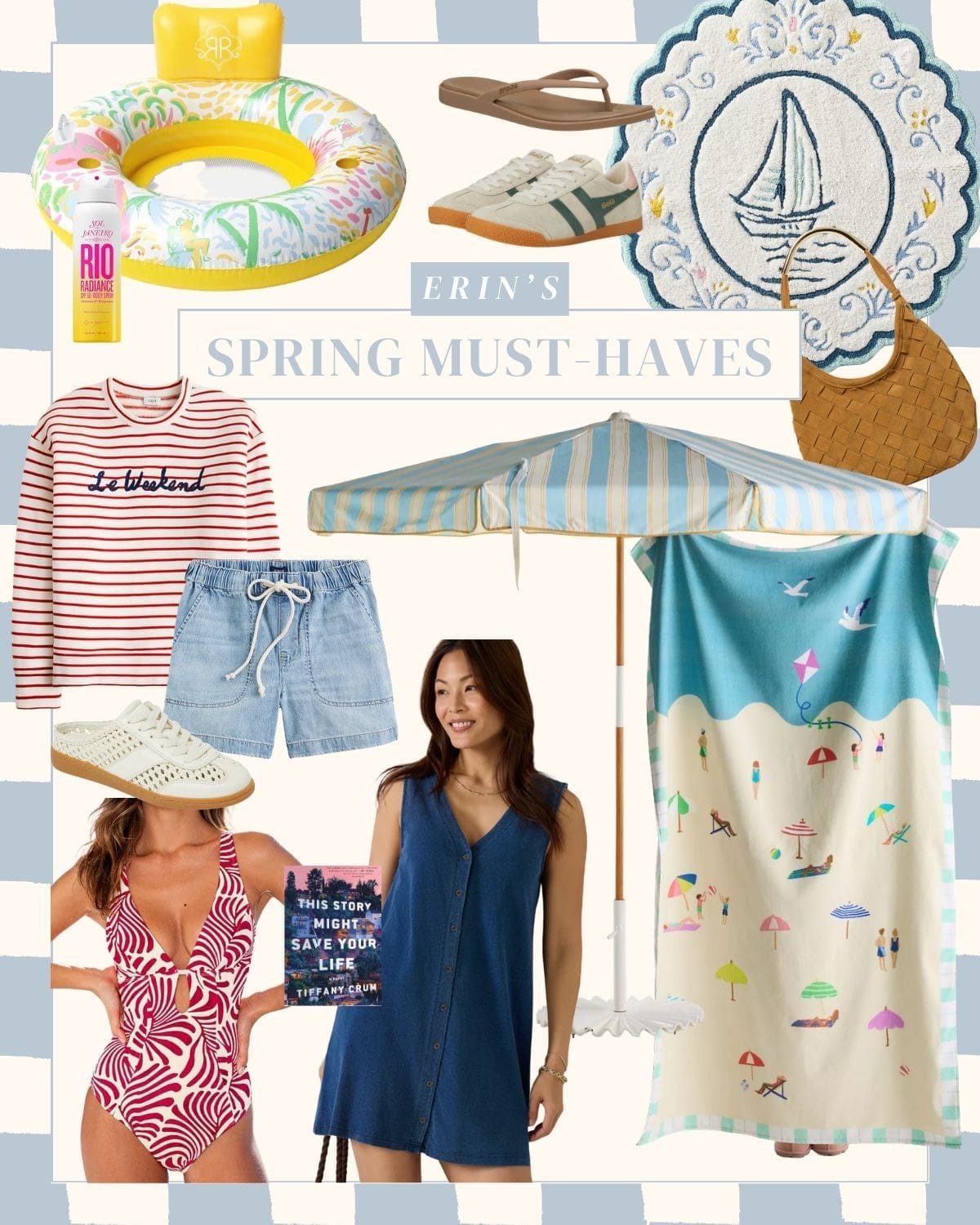
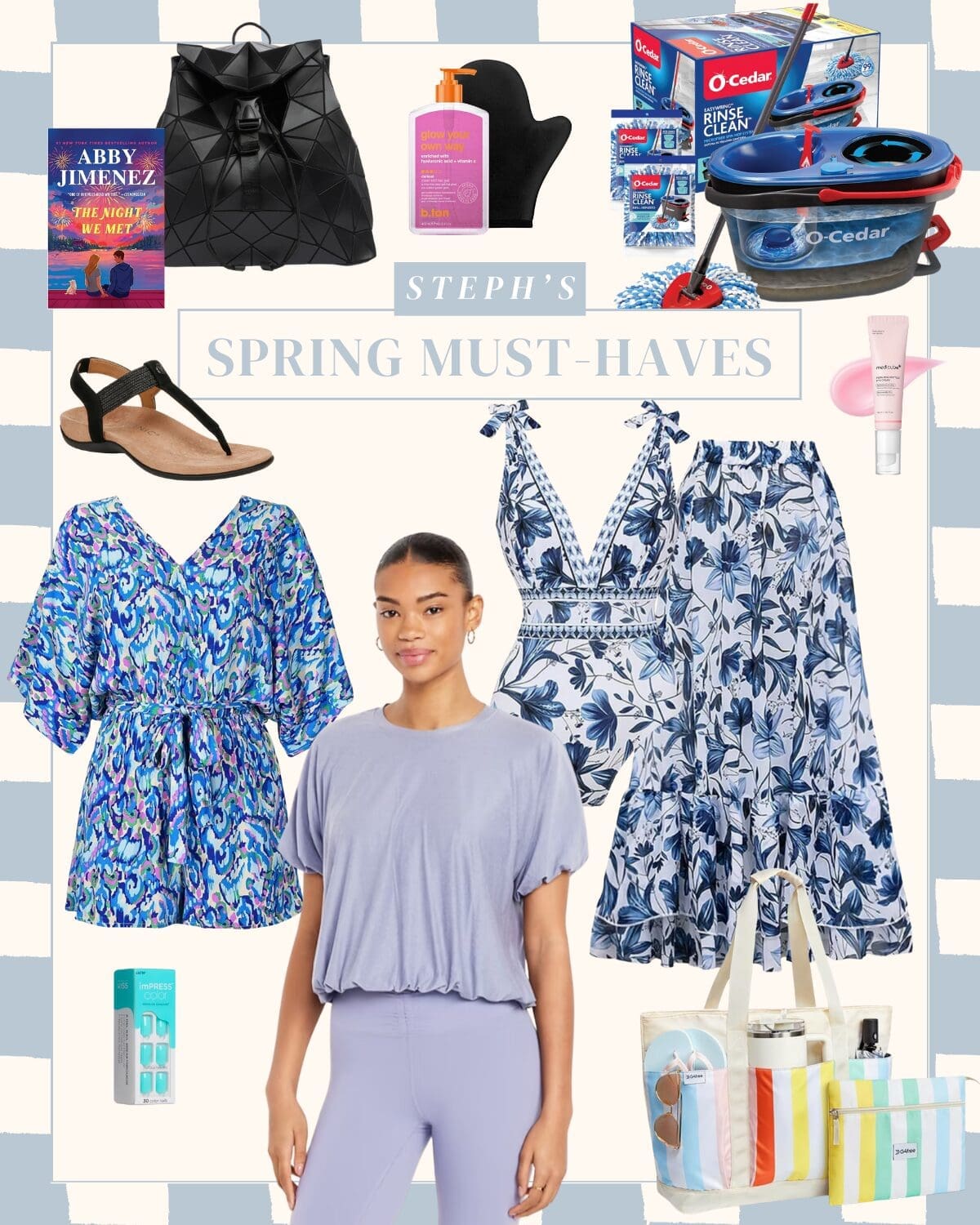
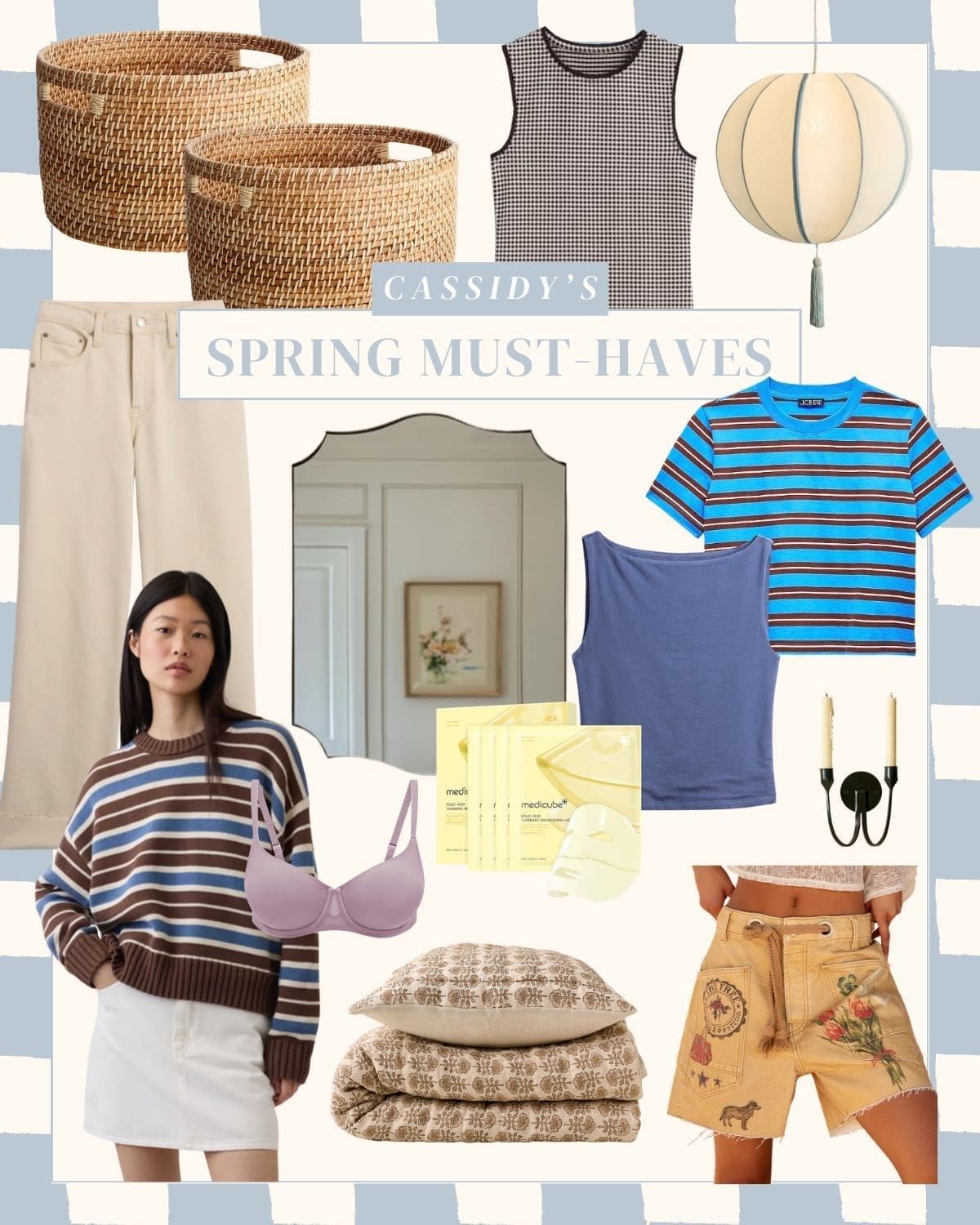
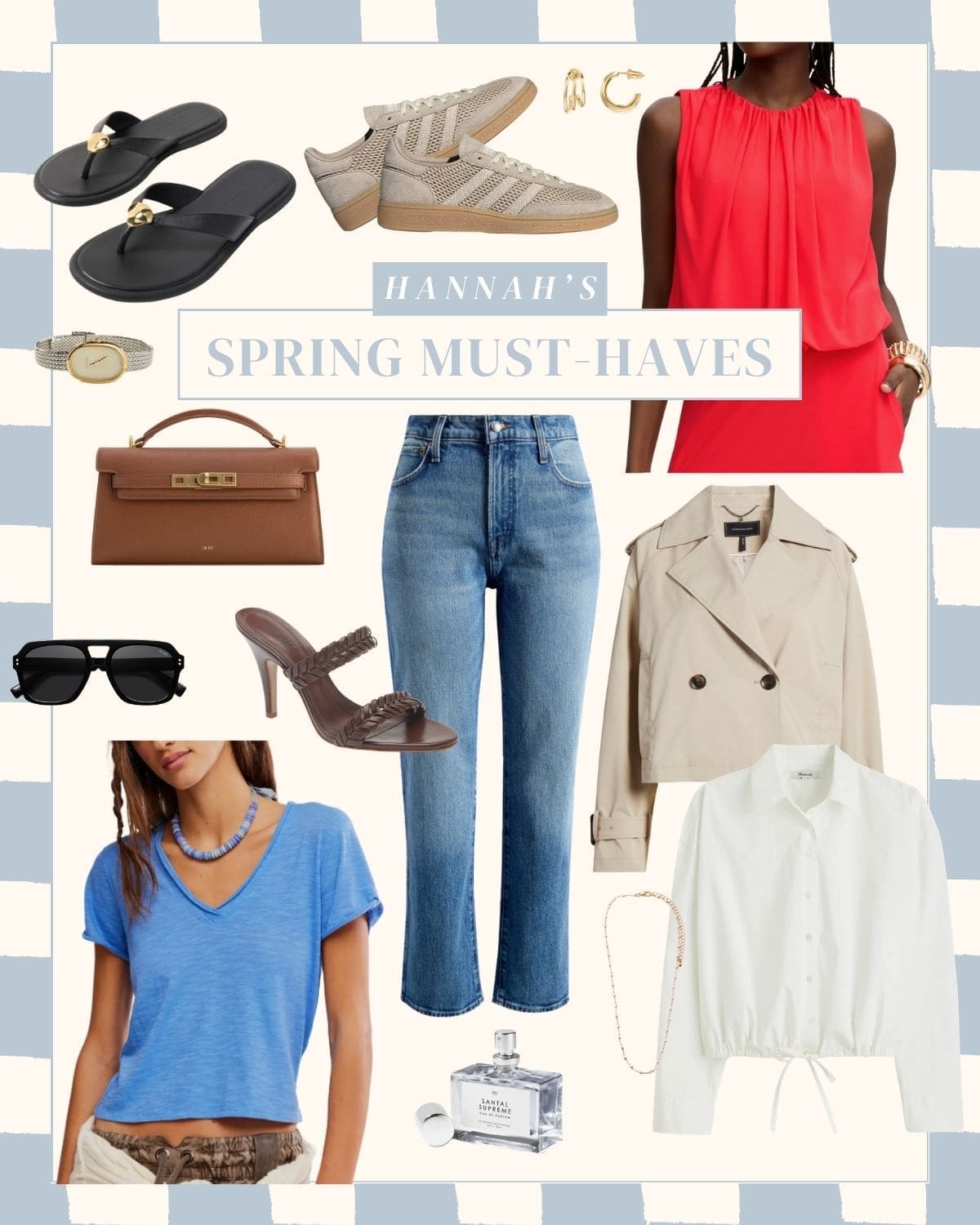
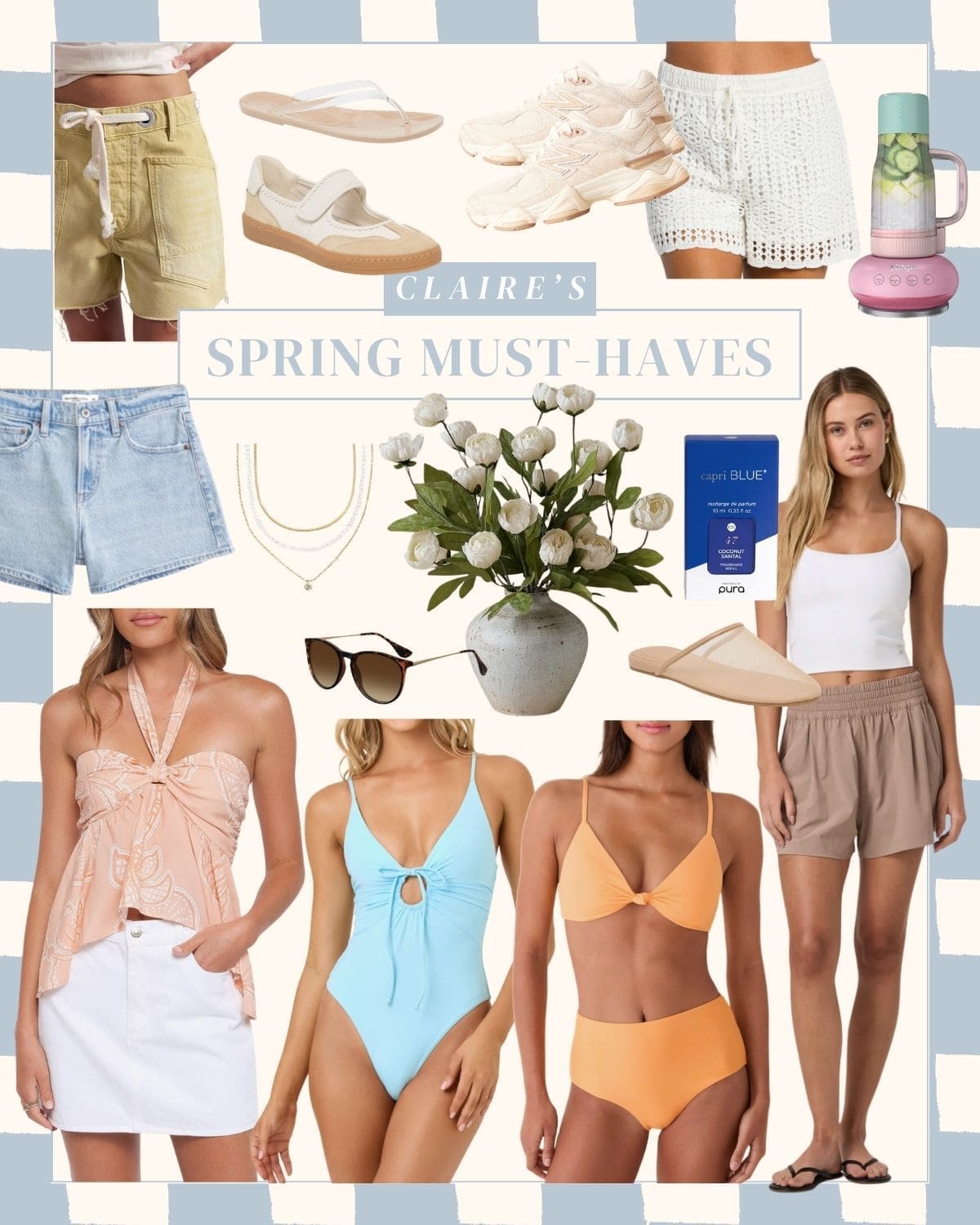
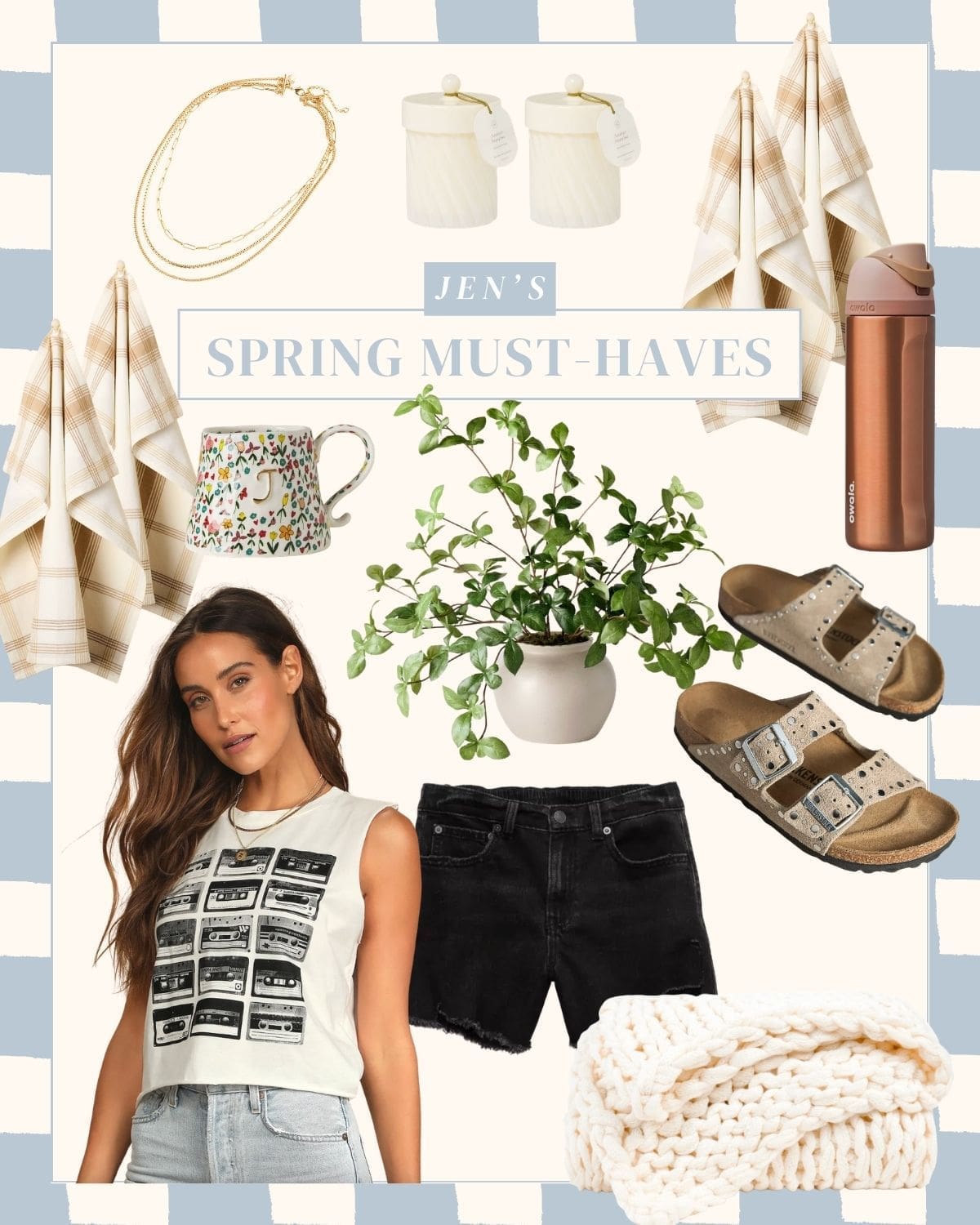
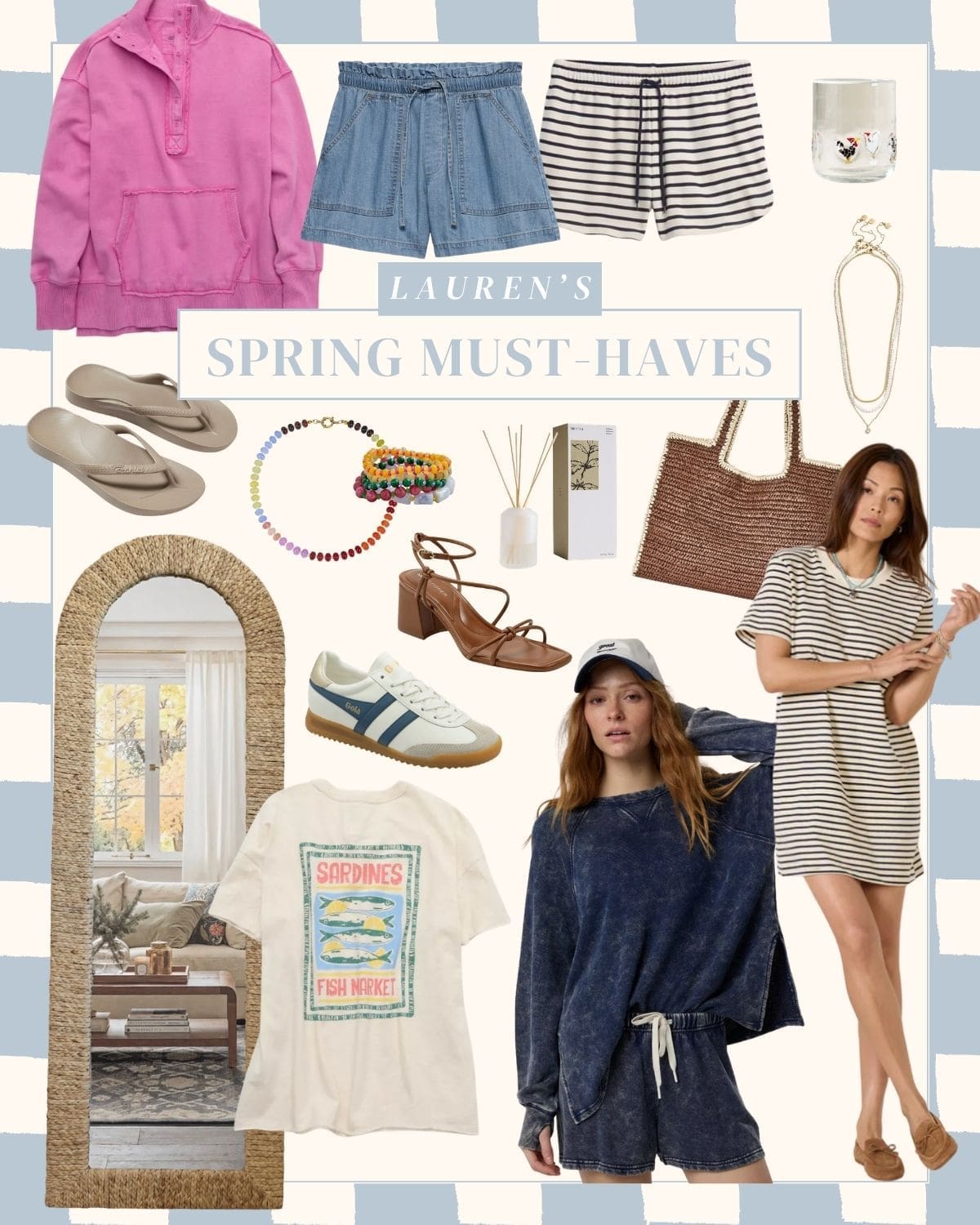
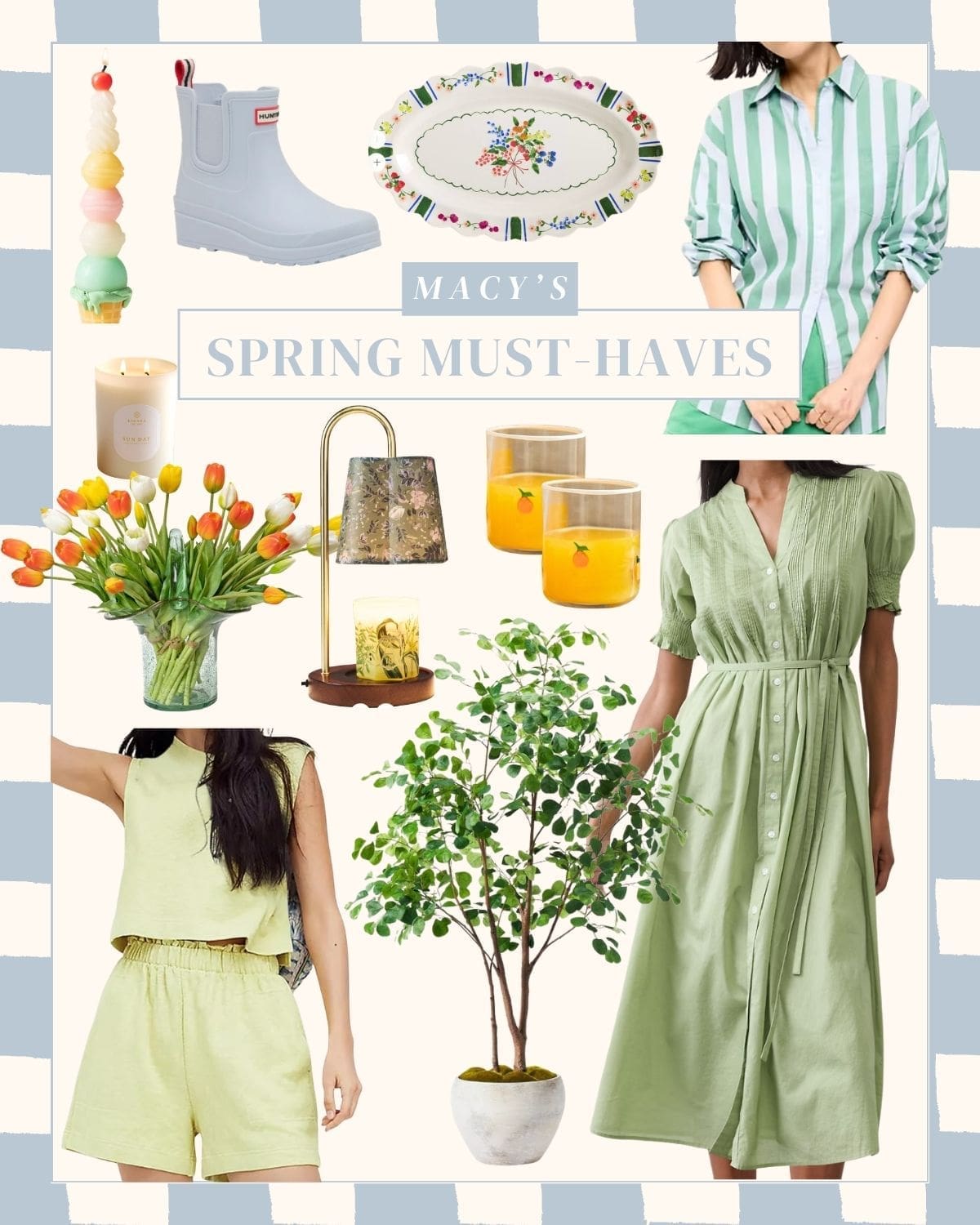
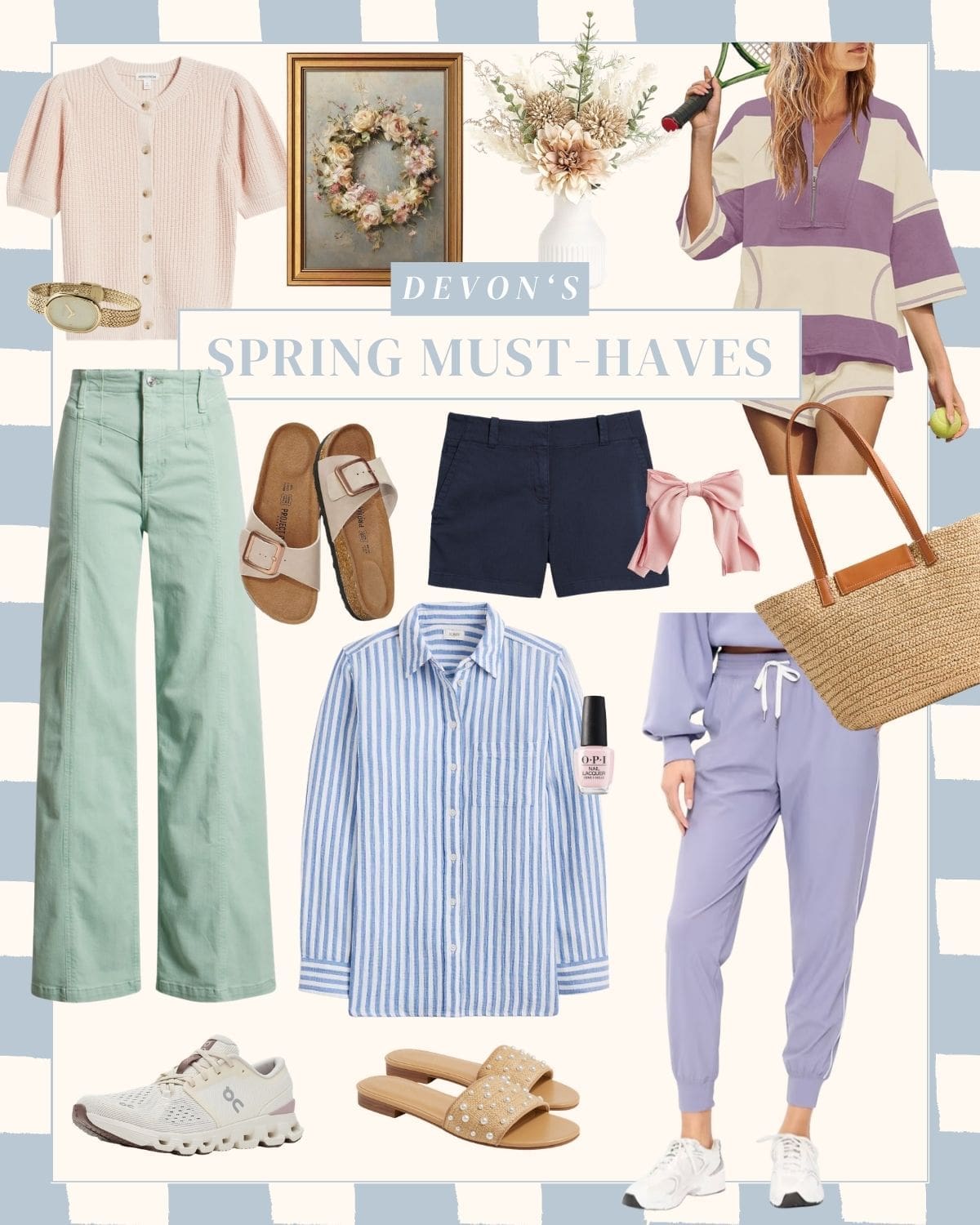
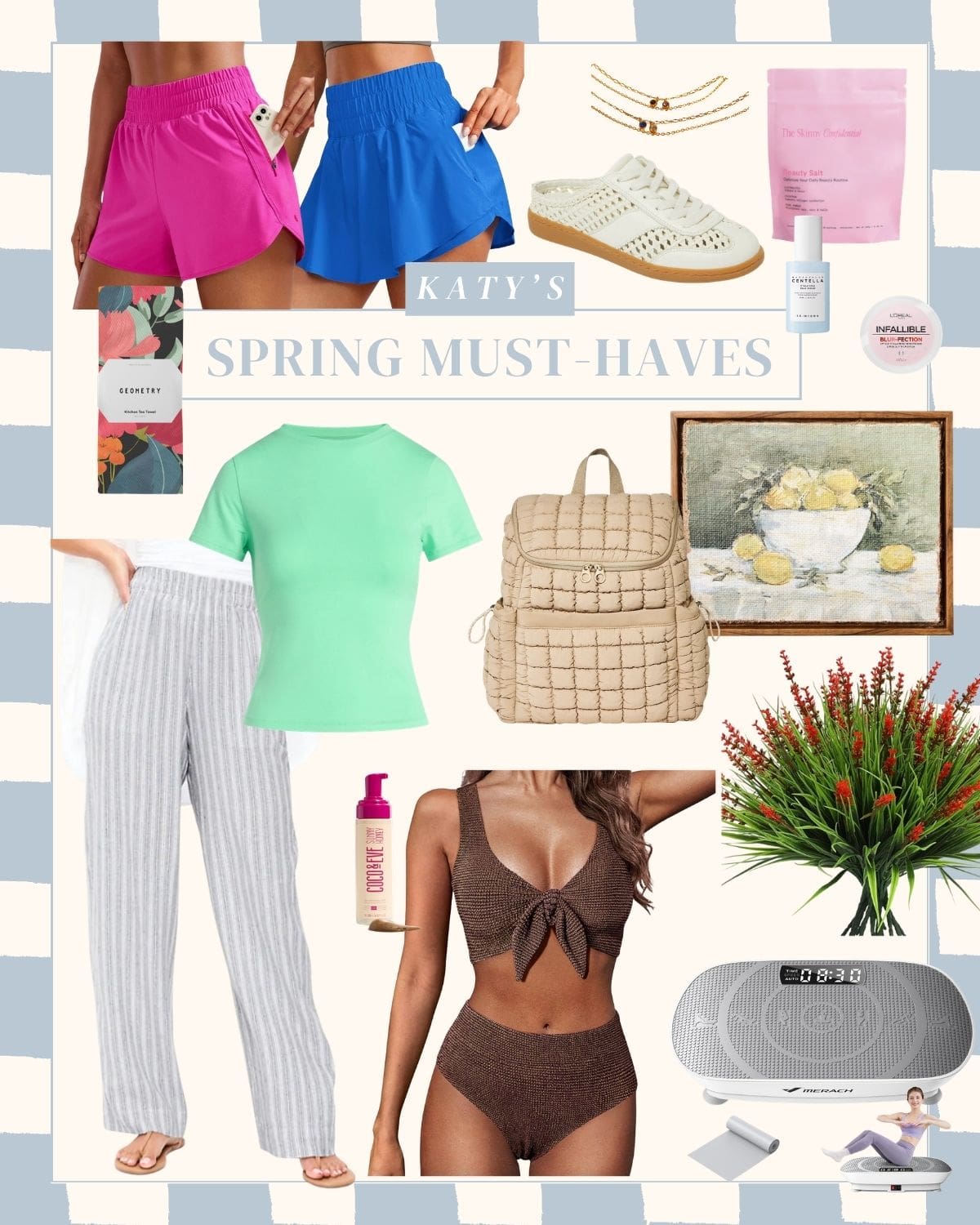
Here at LIY, we do a lotttt of online shopping – shocking, we know Today we thought it would be fun to share a peek inside those online shopping carts! You know the items sitting in “saved for later” that we just haven’t hit checkout on *yet*, but it’s only a matter of time before these finds make their way to our doorsteps!
From Spring Break prep to fresh Spring home updates, here’s what Team LIY is currently shopping! PS shop our Amazon only Spring break packing list here!






 JavaScript is currently disabled in this browser. Reactivate it to view this content.


 Finding Your Bearings
 Translating the Gap
 Upskilling Without the Overwhelm
 Where to Start
 Networking in a New Era
 Managing the Logistics and the Guilt
 Your Value Is Non-Negotiable




















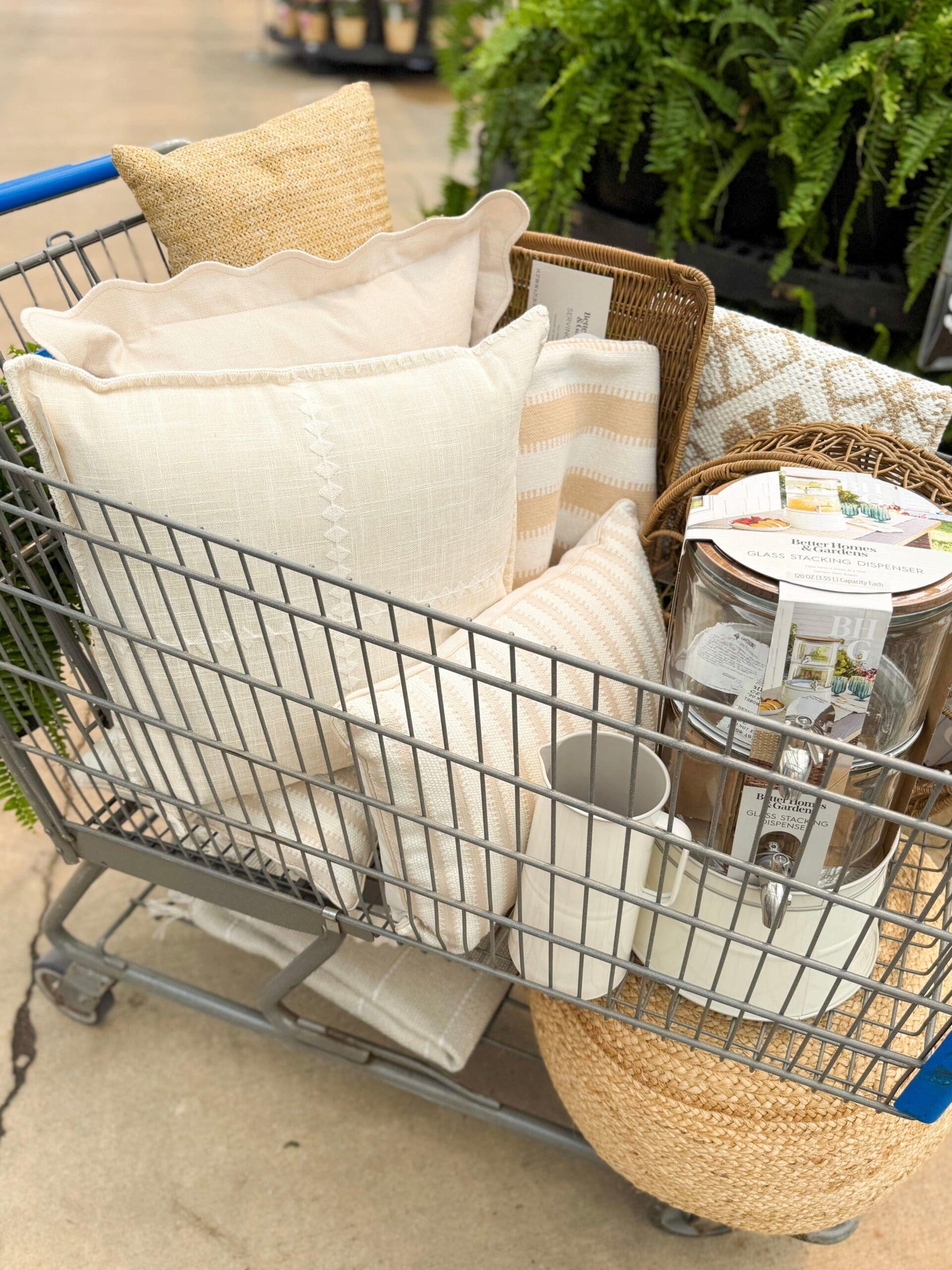

 Today we thought it would be fun to share a peek inside those online shopping carts! You know the items sitting in “saved for later” that we just haven’t hit checkout on *yet*, but it’s only a matter of time before these finds make their way to our doorsteps!